

Hydraulic Ironworker: Applications in Steel Fabrication
 1. Punching
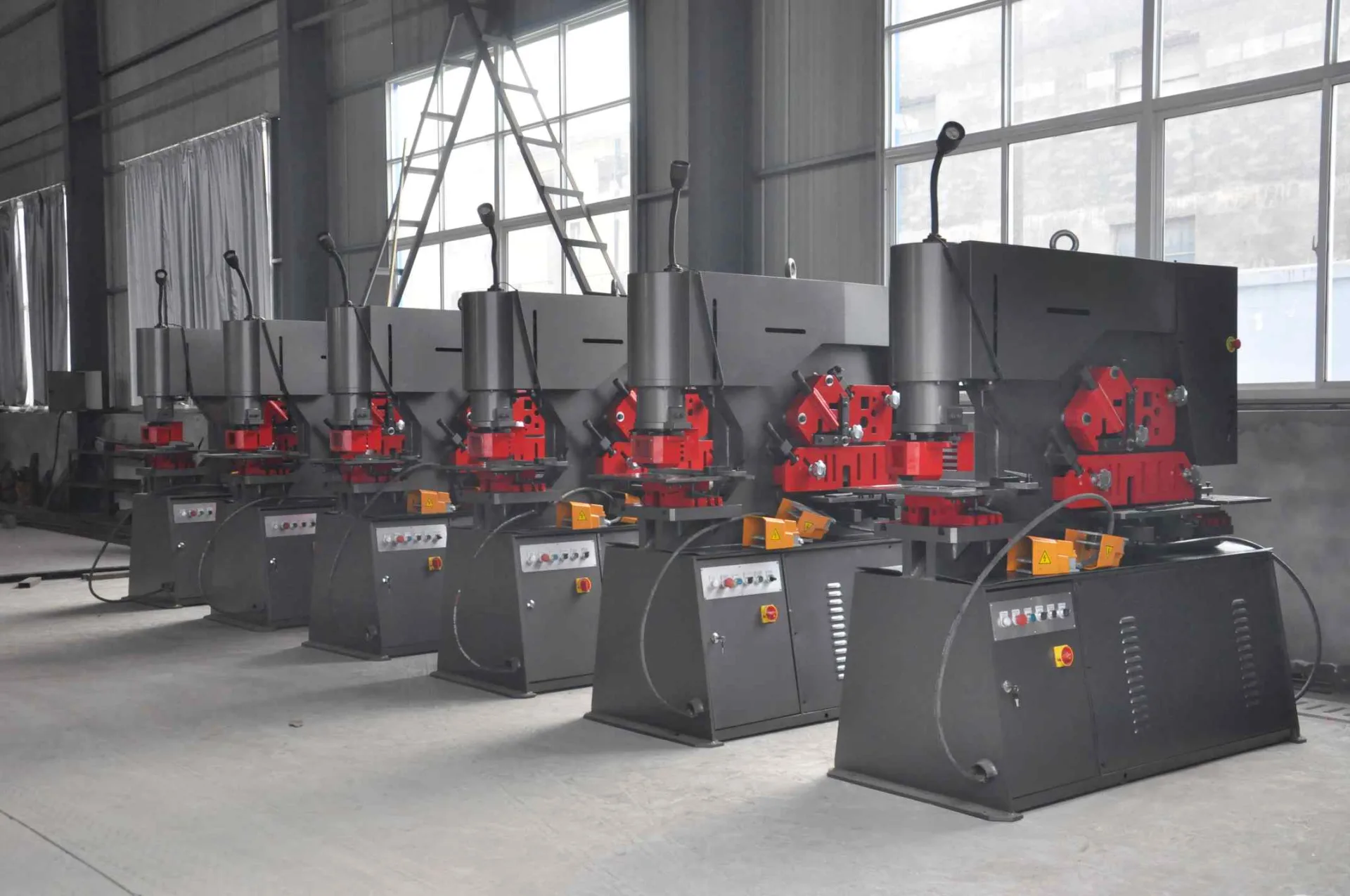
Punching is the most common job for a hydraulic ironworker. It can punch round, square, oblong, and custom-shaped holes in flat plate, angle iron, channel, and other structural shapes. With the right dies, it can punch through mild steel, stainless steel, and aluminum. Typical capacities range from 40 tons to 150 tons, with punching diameters from 10 mm to 40 mm depending on the model and material thickness. In a steel fabrication shop, this is used for connection plates, base plates, brackets, and bolt holes in beams and columns. A good hydraulic ironworker can punch hundreds of holes per hour, which is far faster than a drill press.
2. Shearing
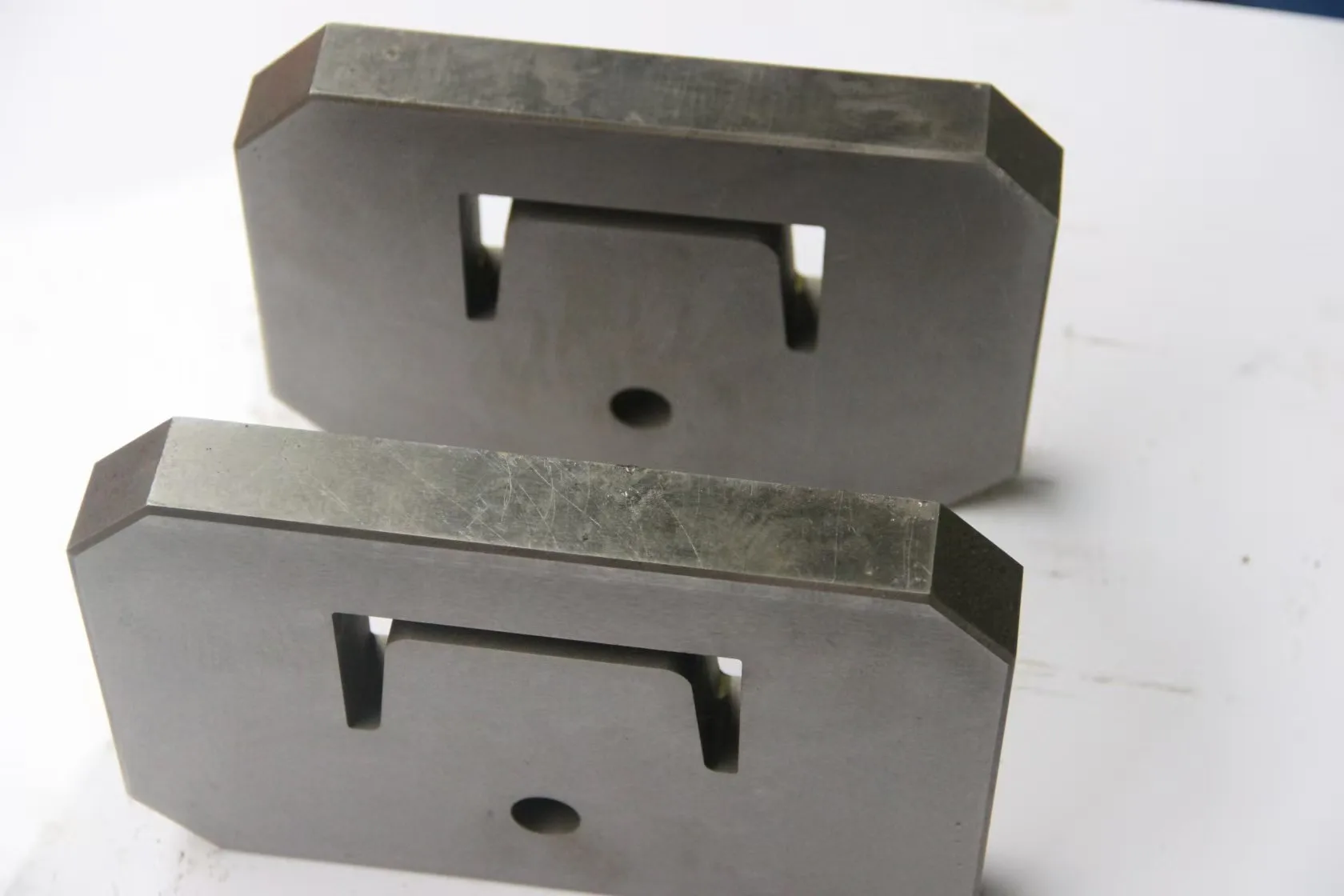
Hydraulic ironworkers have multiple shearing stations. The plate shear station cuts flat plate up to the machine’s rated thickness. The angle shear station cuts angle iron at 90 degrees or 45 degrees for mitered corners. The flat bar shear cuts flat stock to length. The round bar shear cuts round stock, and the square bar shear cuts square stock. Some models also have a channel shear and an I-beam shear. In a fabrication shop, this means cutting structural steel to length, making brackets, and preparing material for welding without a separate saw or shear. Shearing produces clean, straight cuts and is much faster than abrasive cutting.
3. Notching
Notching is used to cut corners, edges, and pipe ends. A corner notcher removes a square or rectangular section from the edge of a plate or angle, allowing two pieces to fit together at a 90-degree corner. A pipe notcher cuts a saddle shape into the end of a pipe or tube so it can be welded to another pipe or a flat surface. This is essential for handrails, guardrails, trusses, and pipe structures. Notching saves time compared to cutting and grinding, and produces a clean, consistent fit. It is one of the most valuable functions in a fabrication shop because it eliminates the need for a separate notching machine.4. Cutting
Beyond shearing, hydraulic ironworkers can cut angle iron, flat bar, round bar, square bar, and in some models, channel and I-beam. Some machines have a dedicated cutting station with a blade that slices through structural shapes. This is faster and cleaner than using an abrasive saw or a torch. In a steel fabrication shop, this is used for cutting studs, braces, frames, and supports to length. For shops that work with a lot of structural steel, the cutting station alone can justify the machine.
5. Bending and Forming
With optional bending attachments, a hydraulic ironworker can bend flat bar, round bar, and angle iron. It can form U-shapes, L-shapes, and custom bends. It can also be used for pressing, stamping, and embossing. This expands the machine’s usefulness beyond cutting and punching, allowing a shop to make brackets, clips, and custom parts without a press brake. For small parts and short runs, this can save a lot of setup time.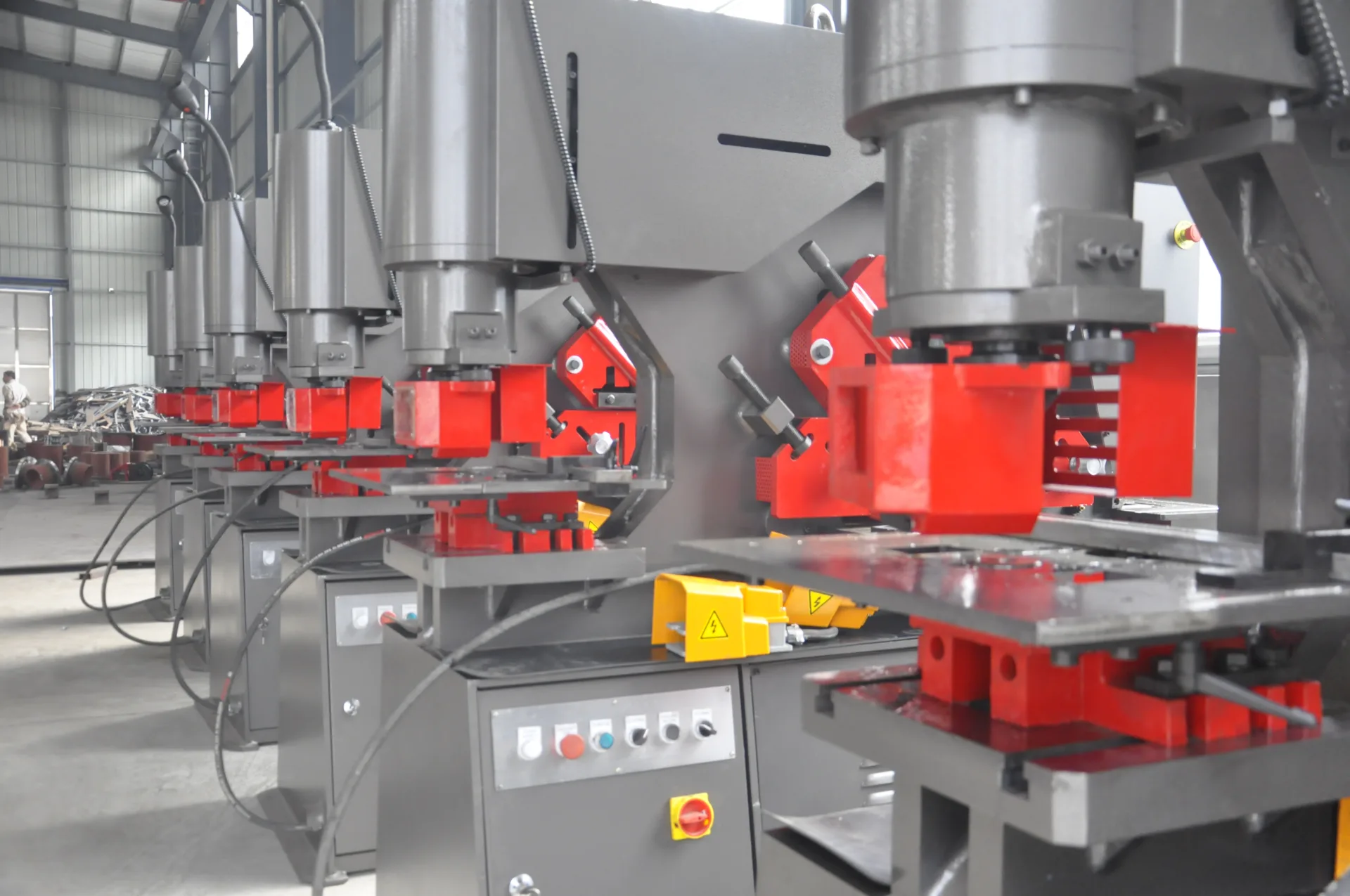
6. Special Operations
Hydraulic ironworkers can also perform louver punching, dimpling, crimping, and riveting with special tooling. Some models have a tube cutter, a rod cutter, and a sheet metal shear. In a fabrication shop, these functions are used for HVAC components, signage, and custom metalwork. With the right tooling, the machine can be adapted to many different jobs.
7. Typical Jobs in a Steel Fabrication Shop
Punch bolt holes in connection plates and base plates
Shear angle iron for frames, braces, and supports
Cut flat bar for brackets and hangers
Notch corners for railing frames and trusses
Notch pipe ends for handrails and guardrails
Cut round and square bar for pins, spacers, and studs
Bend flat bar for clips and custom brackets
Cut plate for gussets and stiffeners
Punch holes in channel and I-beam for bolted connections
Cut and notch material for platforms, ladders, and stair stringers
One machine can handle all of these jobs, which means less material handling, less setup time, and faster throughput.
8. Why Hydraulic Ironworkers Are Preferred
Hydraulic ironworkers are preferred over mechanical ironworkers for several reasons. Hydraulic operation provides smooth, adjustable stroke control, which allows the operator to set the exact stroke length for each job. Hydraulic machines also have built-in overload protection, which prevents damage if the machine is overloaded. They are quieter than mechanical machines and can be operated with foot pedals for hands-free control. They are also easier to adjust for different materials and thicknesses. For a fabrication shop that runs many different jobs, the flexibility of a hydraulic ironworker is a major advantage.
9. Tooling and Station Configuration
A typical hydraulic ironworker has several workstations. The punching station is usually at one end. The shearing stations are along the sides or at the other end. The notching station is often at the corner or on a separate table. Some machines have a bending station. The number of stations and their layout vary by manufacturer and model. When choosing a machine, consider which stations you will use most and how the layout affects workflow. A machine with the right station configuration can reduce handling time and improve efficiency.
10. Material Capacity and Tonnage
The capacity of a hydraulic ironworker is determined by its tonnage and the size of its stations. A 60-ton machine is suitable for light fabrication. An 80-ton to 120-ton machine handles most general fabrication work. A 150-ton or larger machine is needed for heavy structural work. The punching capacity is usually rated for mild steel. Stainless steel and other hard materials require more force. Always check the machine’s specifications for the materials you plan to use.
11. Safety Features
Hydraulic ironworkers are powerful machines and require proper safety precautions. Look for two-hand operation, guards around the punching and shearing stations, an emergency stop button, and a foot pedal with a guard. Some machines have light curtains or interlocked guards. Operators should be trained on safe operation and should never reach into the machine while it is running. Proper maintenance and inspection of guards and safety devices are essential.
12. Maintenance
Daily checks include hydraulic oil level, leaks, and die condition. Weekly checks include lubrication of moving parts and inspection of hoses and fittings. Monthly checks include filter replacement and checking the hydraulic pressure. Annual maintenance includes oil change and a full inspection. Follow the manufacturer’s maintenance schedule for best results. A well-maintained hydraulic ironworker can last for decades.
FAQ
Q1: Can a hydraulic ironworker cut H-beam or I-beam?
Some heavy-duty hydraulic ironworkers have a dedicated beam shear station that can cut H-beam and I-beam, but this requires a larger machine, typically 150 tons or more. For most fabrication shops, cutting H-beam is done with a band saw or a plasma cutter. If you need to cut beams regularly, check the machine’s specifications for beam shear capacity.
Q2: Can a hydraulic ironworker bend metal?
Yes. With an optional bending attachment, a hydraulic ironworker can bend flat bar, round bar, and angle iron. It can form U-shapes, L-shapes, and custom bends. This is useful for making brackets, clips, and small parts without a press brake.
Q3: What tonnage do I need for a steel fabrication shop?
For general fabrication work, 80 to 120 tons is a good range. This handles most punching and shearing jobs in a typical shop. For heavy structural work, 150 tons or more may be needed. For light fabrication, 50 to 60 tons is sufficient. The right tonnage depends on the thickest material and the largest hole you need to punch.
Q4: Can a hydraulic ironworker punch stainless steel?
Yes, but stainless steel requires more force than mild steel. You may need a larger tonnage machine, and you should use the correct die clearance for stainless. Lubrication is also important to prevent galling. Consult the machine manufacturer for specific recommendations.
Q5: What safety features should I look for?
Look for two-hand operation, guards around the punching and shearing stations, an emergency stop button, and a foot pedal with a guard. Some machines have light curtains or interlocked guards. Always follow the manufacturer’s safety instructions and provide training for operators.


