

How to Size a Plate Roller for Stainless High Strength Steel
Choosing a plate rolling machine by thickness alone is a common mistake. A machine rated for 10mm mild steel will not roll 10mm stainless steel or high-strength steel at the same capacity. The key factor is material yield strength, not just thickness. To select the right plate rolling machine capacity, you need to compare the actual material’s yield strength with the machine’s rated capacity, which is usually based on mild steel with a yield strength of about 245 MPa.Why Yield Strength Matters
Rolling requires the machine to bend the plate beyond its yield point. Stainless steel typically has a yield strength of 205–350 MPa, and high-strength steel can exceed 550 MPa or even 900 MPa. The higher the yield strength, the more force the rolls must apply. A machine rated for 10mm mild steel may only handle 6–7mm stainless steel, and even less for high-strength steel. Always ask the supplier for the rated capacity at a specific yield strength, not just a single thickness number.
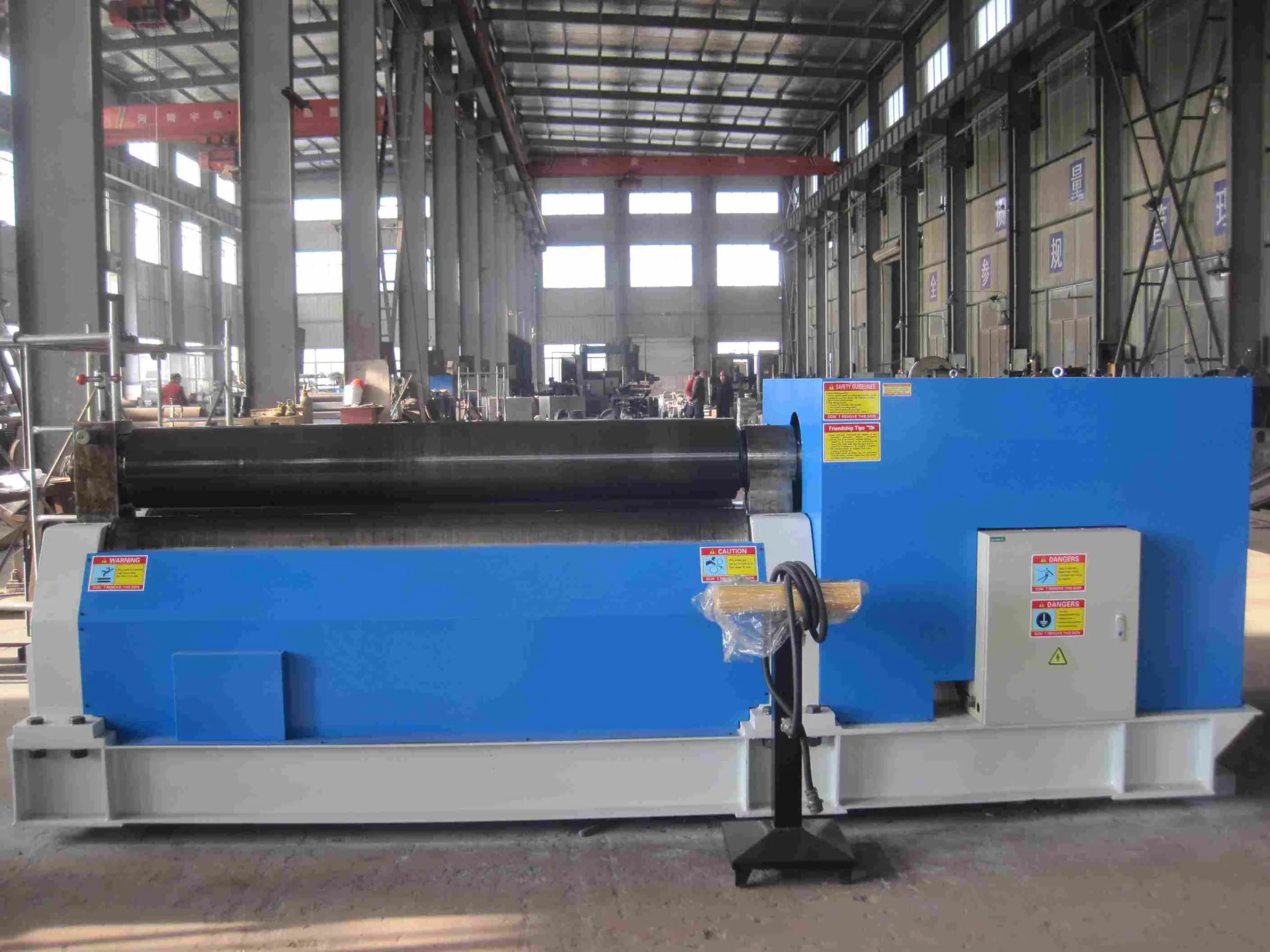
How to Convert Capacity for Different Materials
A practical rule of thumb is to compare yield strengths. If a machine is rated for 8mm mild steel (245 MPa), and you want to roll stainless steel with a yield strength of 350 MPa, the approximate capacity is 8 × (245 ÷ 350) ≈ 5.6mm. For high-strength steel at 550 MPa, the capacity drops to about 3.6mm. These are rough estimates—always confirm with the manufacturer and request a test roll with your actual material.
What to Check Before Buying
First, confirm the machine’s rated capacity is based on a clearly stated yield strength. Second, ask for the minimum rolling diameter for your material and thickness, because high-strength steel requires larger diameter rolls and more passes. Third, check the motor power and roll diameter—both affect the machine’s ability to handle tough materials. Fourth, consider pre-bending capacity, which is often 60–70% of the machine’s straight rolling capacity. Finally, request a test roll with stainless steel or high-strength steel sample before shipment.
Practical Selection Tips
For shops working mainly with stainless steel, choose a machine with at least 20–30% extra capacity compared with mild steel ratings. For high-strength steel, consider a 4-roll hydraulic plate rolling machine with higher torque and larger rolls. A 3-roll plate bending machine can work for lighter high-strength applications, but it may require more passes. Always keep the material certificate and yield strength data on hand when discussing capacity with the supplier.
Keywords: plate rolling machine capacity, stainless steel rolling, high-strength steel rolling, plate rolling machine selection, yield strength, plate bending machine capacity, hydraulic plate rolling machine, 4-roll plate rolling machine.
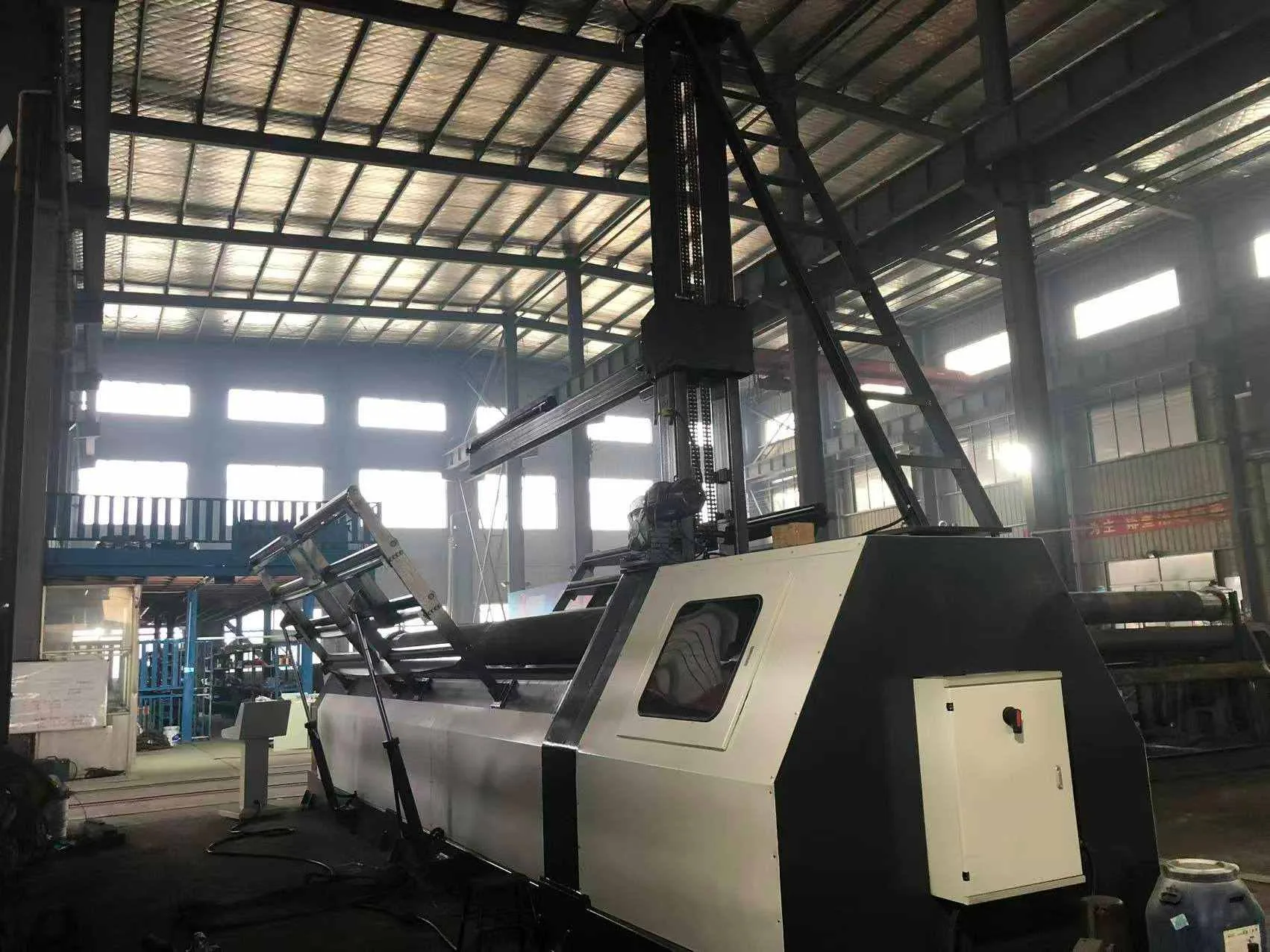
Case Data:
A customer in Southeast Asia ordered a machine rated for 10mm mild steel but needed to roll 6mm stainless steel. The supplier confirmed the machine’s capacity at 350 MPa was 6.5mm, so the machine was suitable. However, for a later job involving 6mm high-strength steel at 550 MPa, the same machine could only handle about 4mm. The customer upgraded to a larger 4-roll model to cover both materials. A test roll before shipment confirmed the machine could meet the required diameter and roundness.
FAQ
Q1: Can a machine rated for mild steel roll stainless steel?
Yes, but at reduced thickness. Compare yield strengths and confirm with the supplier. A rough conversion is to multiply the mild steel capacity by the ratio of yield strengths.
Q2: What is the most important specification for rolling high-strength steel?
Yield strength and machine torque. High-strength steel requires more force, so check the motor power, roll diameter, and the machine’s rated capacity at the actual material yield strength.
Q3: How can I verify capacity before buying?
Request a test roll with your material sample. A reputable supplier will provide a test report showing thickness, diameter, and roundness. This is more reliable than any calculation.


