Key Core Components of Press Brake | Ultimate Guide for Sheet Metal Processing
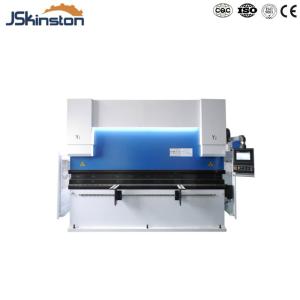
1. Machine Frame: The Rigid Foundation
The frame consists of columns, base and supporting structures, which bears tremendous bending force during operation. It is the backbone of the entire press brake.
• Material & Processing: Made of high-strength Q345B steel plate with integral welding. After welding, stress relief treatment is applied to eliminate internal stress. Optimized structure via finite element analysis ensures excellent rigidity.
• Performance Features: Low deflection under full load, no vibration or deformation during long-term heavy-duty work. Guarantees consistent bending angle along the whole workpiece.
• Type Selection: C-type frame for easy operation and wide access for large workpieces; enclosed straight frame for high tonnage and ultra-long sheet metal bending with minimal deformation.
A sturdy frame is the premise of long-term stable operation. Inferior frames will cause angle deviation and increase defective products.
2. Ram (Upper Beam): Power Executing Unit
The ram is the moving component installed with upper dies. It transfers bending force and moves vertically to complete sheet metal forming.
• Structure Design: Adopts box-type high-rigidity structure, processed with high precision. Matches guide rails tightly without clearance.
• Guide System: Equipped with high-precision rectangular guide rails or roller guide rails, featuring low friction and smooth movement.
• Precision Standard: High repeat positioning accuracy up to ±0.02mm. Effectively avoids lateral offset during movement, ensures uniform bending effect.
Insufficient ram rigidity will lead to middle sag, resulting in inconsistent angles between two ends and the middle of workpieces.
3. Tooling & Dies: Direct Forming Tools
Dies including upper punches and lower V-dies directly contact metal sheets, determining bending shape, angle and surface quality.
• Material & Heat Treatment: Mainly made of Cr12MoV die steel, with hardness HRC 58-62. Outstanding wear resistance and impact resistance, not easy to crack or wear.
• Rich Specifications: Various upper dies such as straight punch, gooseneck punch and angle punch for different bending requirements. Multiple V-opening lower dies match different sheet thicknesses.
• Matching Standard: Reasonable clearance between upper and lower dies effectively prevents sheet scratch and rebound, producing smooth workpieces without burrs.
High-quality dies reduce replacement frequency and cut down production cost greatly.
4. Driving System: Power Source of Press Brake
Two mainstream driving systems are widely used in modern press brakes: electro-hydraulic servo drive and full electric servo drive.
4.1 Electro-hydraulic Servo System
Widely applied on medium and large tonnage press brakes. Composed of servo motor, servo valve, main oil cylinder and hydraulic station.
• Advantages: Strong power, strong overload capacity, stable pressure output. Perfect for thick plate and heavy-duty bending work.
• Key Parts: Hard chrome plated piston rod and imported sealing parts prevent oil leakage. High-precision proportional valves control flow and pressure accurately.
4.2 Full Electric Servo System
Ideal for high-precision thin sheet processing. No hydraulic oil needed, driven by servo motor and ball screw.
• Advantages: Higher positioning accuracy, faster working speed, lower energy consumption and zero oil pollution. Simple daily maintenance.
• Core Configuration: Preloaded ball screw eliminates backlash, ensuring stable transmission and high synchronous performance of dual motors.
Select the proper driving system according to your sheet thickness, required accuracy and production budget.
5. CNC Controller: Intelligent Control Brain
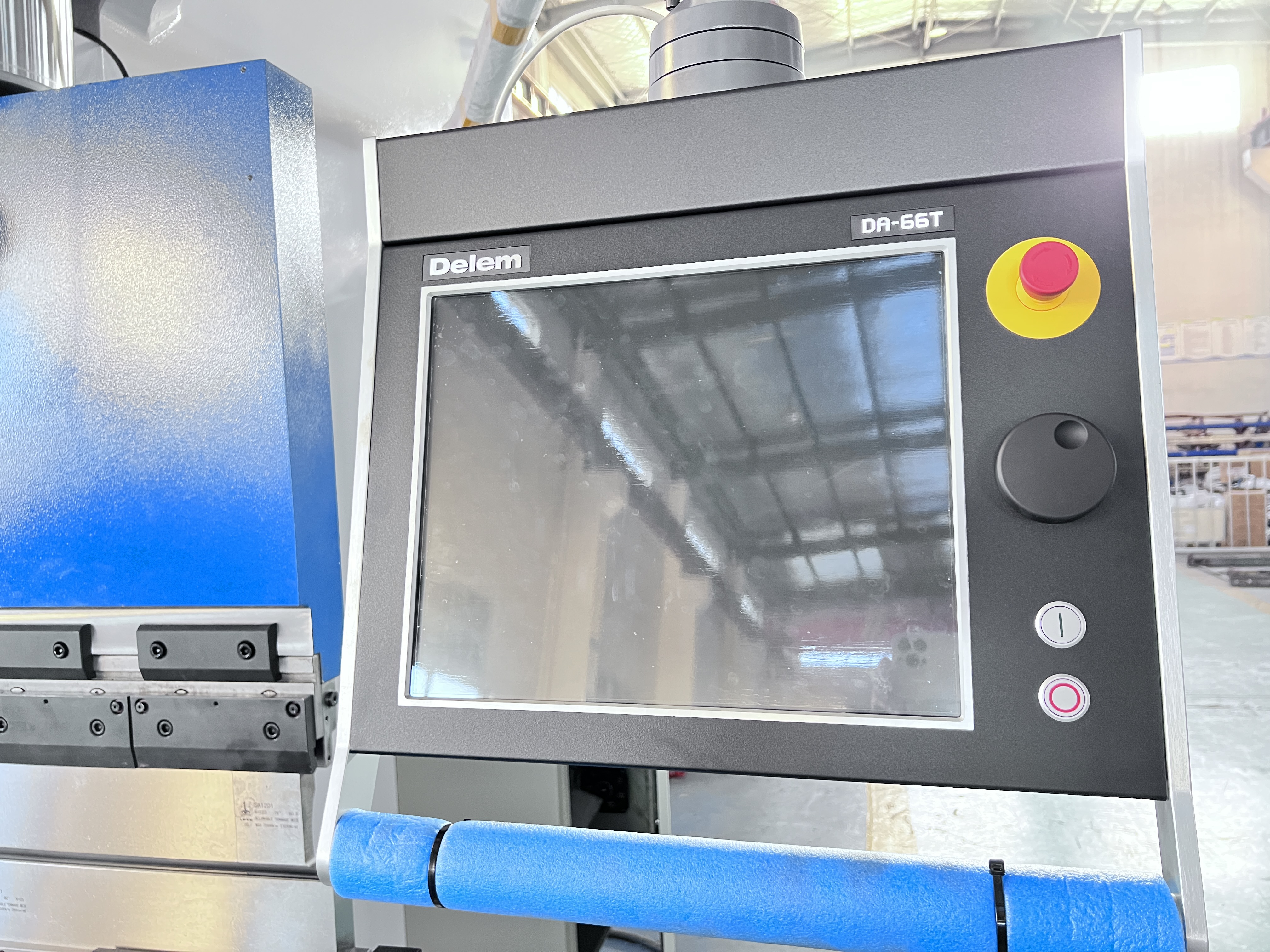
CNC system is the control center of the whole machine. It receives parameter settings and commands all components to work cooperatively.
• Famous Brands: Delem, ESA, Cybelec and other well-known controllers are optional.
• Powerful Functions: Support graphic programming and offline programming, easy to operate even for new operators. Real-time closed-loop compensation corrects position errors automatically.
• Multi-axis Control: Controls X, R, Z and other axes of back gauge synchronously, realizing continuous bending for complex workpieces.
Advanced CNC system greatly improves production efficiency and guarantees stable batch processing quality.
6. Back Gauge & Linear Encoder: Precision Positioning System
6.1 Back Gauge
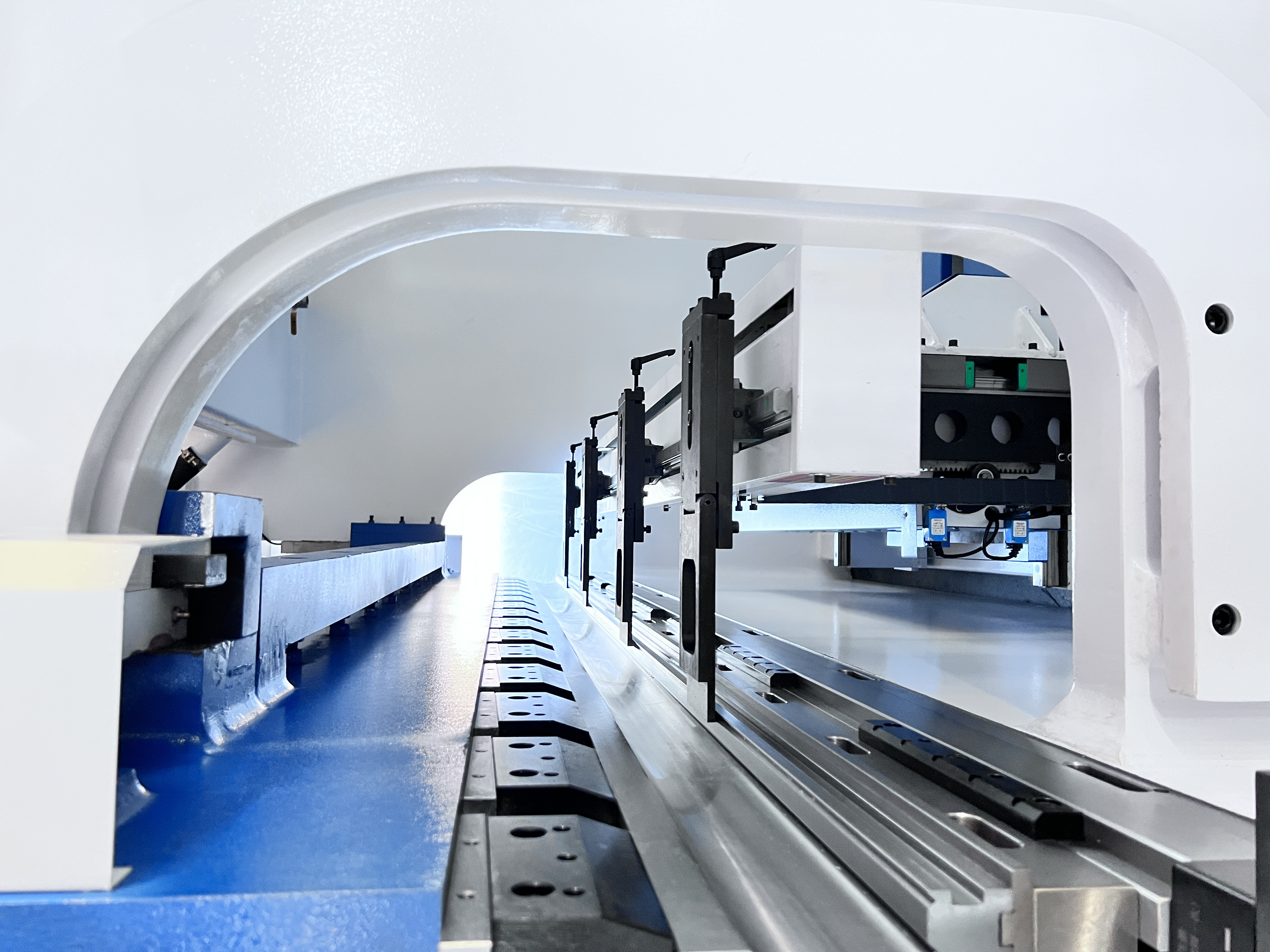
It locates sheet metal accurately to ensure unified bending dimension. Driven by servo motor and high-grade ball screw, with linear guide rails for smooth running. High positioning accuracy and good locking performance.
6.2 Linear Encoder / Magnetic Scale
As the feedback element, it detects the real-time position of the ram and sends data back to CNC controller. With ultra-high resolution, it works steadily even in harsh workshop environment. Dual-side encoders are equipped on high-end models to keep ram parallelism.
Precise positioning system is essential for high-volume standardized production.
Final Summary
All core components work together to define the overall performance of a press brake. A qualified bending machine must have rigid frame, stable ram, durable dies, reliable driving system, intelligent CNC controller and accurate positioning parts.
When purchasing press brake, do not only focus on tonnage and price. Pay more attention to material, craftsmanship, brand and precision of core components. Regular maintenance of key parts can extend machine service life and keep long-term high-efficiency production.