
Four-Column Gantry Hydraulic Press: Complete Operation & Maintenance Guide
1. Product Overview & Core Features
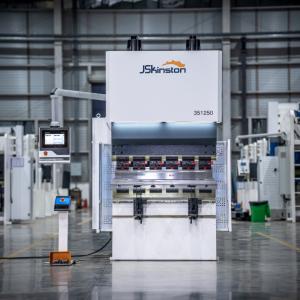
The four-column gantry hydraulic press adopts a rigid four-column vertical gantry structure, which effectively avoids unbalanced force deformation during high-pressure pressing. Equipped with precision hydraulic control system and intelligent electrical panel, it supports manual, semi-automatic, and jog adjustment modes, realizing fixed-distance pressing and constant-pressure holding forming. Compared with ordinary single-column hydraulic presses, it delivers higher parallelism, better workpiece flatness, stronger load capacity, and more stable long-term operation.
Main Applications: Metal sheet stretching, part shaping, mold testing, powder metallurgy pressing, rubber and plastic forming, hardware product trimming, and precision compression assembly.
2. Pre-Operation Inspection Checklist
Complete full inspections before every startup to avoid mechanical failure and processing defects. Never operate the machine with abnormal conditions.
2.1 Mechanical Inspection
Check the four guide columns, sliding block, worktable, and mold installation position for dirt, debris, and foreign objects; clean the working area thoroughly. Verify all fastening bolts, connecting flanges, and locking parts are tightly fixed without looseness. Confirm guide sleeves and moving parts are well-lubricated with no dry friction phenomenon.
2.2 Hydraulic System Inspection
Check the hydraulic oil level to ensure the oil volume reaches two-thirds of the standard scale. Observe hydraulic pipelines, joints, cylinder seals, and valve blocks for oil leakage, oil seepage, or pipeline aging. Confirm the oil filter is unclogged and the hydraulic pressure gauge returns to zero accurately when the machine is standby.
2.3 Electrical & Safety Inspection
Check the power circuit, control buttons, indicator lights, and emergency stop switch for normal response. Test safety protection devices including limit travel switches and safety barriers to ensure sensitive and effective protection functions. Confirm all operating handles are reset to neutral position and no abnormal alarm codes are displayed on the control panel.
3. Standard Step-by-Step Operation Procedure
3.1 Machine Startup & Preheating
Switch on the main power supply and start the hydraulic pump motor. Let the machine run idle for 3 to 5 minutes without load to fully circulate hydraulic oil, stabilize system pressure, and check for abnormal pump noise, vibration, or overheating. Observe whether the hydraulic system pressure rises steadily and maintains stable standby pressure.
3.2 Parameter Setting & Mold Debugging
Install and fix the mold firmly, adjust the slider stroke, pressing speed, holding pressure time, and return stroke parameters according to workpiece processing requirements. Do not set the working pressure exceeding 90% of the machine’s rated pressure to avoid overload damage. Perform trial pressing with dummy workpieces to calibrate precision and confirm product size and flatness meet standards before mass production.
3.3 Formal Processing Operation
Place the workpiece stably in the center of the worktable to ensure uniform stress. Adopt standard two-hand synchronous start operation to prevent accidental injury. During machine operation, strictly prohibit hands, heads, or tools extending into the moving working area. Observe the pressing status in real time; stop the machine immediately if abnormal noise, vibration, or workpiece deviation occurs.
3.4 Machine Shutdown Process
After completing production, retract the slider to the initial position, cut off the processing power, and clean up worktable debris and oil stains. Press the stop button to turn off the hydraulic pump, then cut off the main power supply. Fill in the equipment operation log to record daily running status and abnormal conditions.
4. Critical Safety Operation Guidelines
• Prohibit single-hand operation or using tools to jam control buttons; always follow two-hand starting specifications.
• Never adjust molds, clean equipment, or perform maintenance during machine running; stop the machine completely and cut off power before any adjustment.
• Strictly forbid overload pressing and ultra-stroke operation to prevent column deformation, cylinder damage, or structural failure.
• Non-professional operators are not allowed to modify hydraulic pressure parameters and electrical program settings arbitrarily.
• In case of sudden failure or stuck workpiece, press the emergency stop button immediately and report for maintenance, do not disassemble the machine privately.
5. Scientific Hierarchical Maintenance Guide
Regular maintenance is the key to stable operation and long service life of four-column gantry hydraulic presses. We divide maintenance into daily, weekly, monthly, and quarterly cycles for standardized management.
5.1 Daily Maintenance (Every Shift)
Clean the machine surface and worktable to keep the equipment clean and free of oil dirt and dust. Check hydraulic oil level and oil temperature, confirm no oil leakage at all joints. Test the flexibility of emergency stop, limit switches, and control buttons. Lubricate sliding guide columns and moving parts appropriately. Eliminate minor faults and hidden dangers in time.
5.2 Weekly Maintenance
Comprehensively check the tightness of all connecting bolts and anchor screws. Clean the surface of the hydraulic oil filter and heat dissipation device to ensure unobstructed heat dissipation. Inspect the wear status of mold fixtures and guide bushings. Test the stability of system pressure and pressing speed to ensure consistent processing performance.
5.3 Monthly Maintenance
Calibrate the parallelism of the four guide columns and the flatness of the worktable and slider. Check the wear and aging degree of hydraulic hoses, sealing rings, and cylinder piston rods. Test the accuracy of pressure gauges and travel sensors. Tidy up electrical circuits, check line aging and loose wiring conditions, and ensure stable electrical contact.
5.4 Quarterly & Annual Maintenance
Replace hydraulic oil and clean the oil tank thoroughly for the first three months of new machine operation; replace hydraulic oil regularly every 6 to 12 months thereafter. Replace filter elements of oil suction and return filters. Perform overall structural calibration and precision detection of the gantry frame. Check the internal wear of the main cylinder and auxiliary cylinders, and replace aging sealing accessories to prevent oil leakage and pressure loss.
6. Common Faults & Quick Troubleshooting
6.1 Insufficient pressing pressure
Possible reasons: Low hydraulic oil level, clogged filter element, worn hydraulic pump, or pressure valve parameter deviation. Solutions: Refill qualified hydraulic oil, clean or replace the filter element, inspect and repair the hydraulic pump, and recalibrate system pressure parameters.
6.2 Oil leakage at cylinder and pipeline joints
Possible reasons: Aging and damaged sealing rings, loose pipe joints, or unbalanced pressure impact. Solutions: Replace sealing accessories, fasten pipeline joints, and avoid long-term overload impact operation.
6.3 Abnormal noise during operation
Possible reasons: Insufficient lubrication, air mixed in hydraulic system, worn transmission parts, or unstable pump operation. Solutions: Supplement lubricating oil, exhaust the hydraulic system, replace worn parts, and check pump working status.
6.4 Slider return failure or slow movement
Possible reasons: Blocked control valve, insufficient system pressure, or sensor failure. Solutions: Clean hydraulic valve group, troubleshoot pressure system faults, and calibrate or replace travel sensors.
7. FAQ
7.1 How long is the service life of a four-column gantry hydraulic press?
With standardized operation and regular maintenance, the structural service life can reach 10–15 years, and the hydraulic system can maintain stable performance for more than 8 years. Daily maintenance effectively reduces wear and fault rates.
7.2 How often should hydraulic oil be replaced?
New machines need the first oil replacement within 3 months. For long-term continuous production, replace hydraulic oil every 6–8 months; for intermittent use, replace oil every 12 months.
7.3 Why does the hydraulic press experience pressure loss?
Main causes include aging sealing rings, oil leakage, clogged filters, insufficient oil volume, and hydraulic pump wear. Regular inspection and replacement of wearing parts can effectively solve pressure loss problems.
Conclusion
The four-column gantry hydraulic press is high-precision and high-load industrial core equipment. Standardized daily operation and scientific periodic maintenance are not only the premise of stable production but also the key to reducing failure rates, lowering maintenance costs, and extending equipment service life. Following this operation and maintenance guide can help factories maintain consistent processing accuracy, improve production efficiency, and maximize the return on equipment investment in long-term industrial production.