Current Status of the Pipe Bending Machine Industry
1. Market Demand & Application Landscape
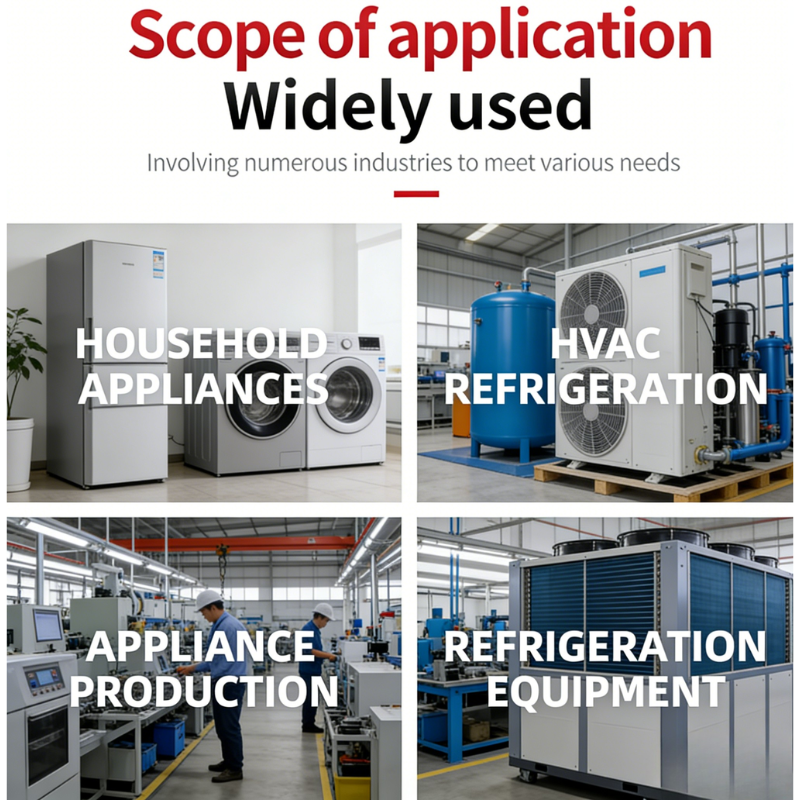
Downstream demand remains robust, with automotive manufacturing (34%), aerospace (15.3%), HVAC & plumbing, energy/power, and construction as key sectors. The shift toward lightweight and high-strength metal components—such as aluminum and stainless steel tubes—has driven demand for high-precision, multi-axis, and intelligent bending equipment. Small-batch, diversified production needs further fuel the adoption of flexible CNC pipe benders.
2. Product Structure & Technology Status
The industry is witnessing a clear shift from hydraulic to CNC/all-electric servo models:
• Hydraulic pipe benders: Dominant in low–mid-end markets, cost-effective but less efficient, with higher energy consumption and maintenance needs.
• CNC pipe benders: Account for 68.5% of the Chinese market, featuring ±0.05 mm precision, multi-axis linkage, and automatic programming.
• All-electric servo pipe benders: The fastest-growing segment, offering 67% lower energy use, zero oil leakage, and real-time bending force adjustment, ideal for high-end applications.
Key technological advancements include AI rebound compensation, digital twin simulation, online inspection, and MES system integration, significantly improving first-pass yield and reducing waste.
3. Competition Pattern: Global & China
The market is head-concentrated:
• Global leaders: Italy BLM Group, Germany TRUMPF, Japan AMADA, and Spain AMOB hold approximately 65% of the high-end market, with advantages in precision and software.
• Chinese manufacturers: Rapidly rising, competing strongly in the mid-range segment with cost-performance and customization capabilities. Local brands are narrowing the tech gap and expanding global presence.
4. Industry Trends: Intelligence, Greening, Servitization
1. Intelligent upgrading: AI-driven automatic programming, remote monitoring, and fault diagnosis are becoming standard.
2. Green manufacturing: All-electric servo and energy-saving technologies are replacing hydraulic systems to meet carbon neutrality goals.
3. Flexible & customized: Modular design enables quick changeover for diverse tube materials and complex bending requirements.
4. Service transformation: Suppliers evolve from equipment sellers to one-stop solution providers, offering process consulting, after-sales support, and lifecycle management.

Conclusion
The pipe bending machine industry is in a critical period of technology-driven upgrading and structural optimization. While traditional hydraulic models still occupy a certain market share, intelligent, precise, and eco-friendly CNC/all-electric pipe benders represent the future direction. For global buyers, choosing reliable manufacturers with strong R&D and service capabilities is key to enhancing production efficiency and market competitiveness.