How to Maintain a Press Brake: Complete Press Brake Maintenance Guide
Daily Maintenance of Press Brake
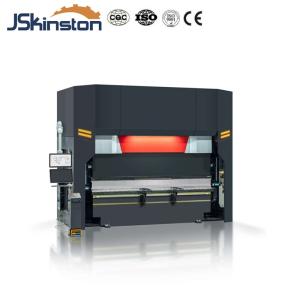
Daily inspection is the foundation of press brake later maintenance and must be followed every day before and after work.
First, check the machine appearance and working environment, keep the equipment surface clean, remove iron scraps, dust and sundries on the worktable, die and sliding block, avoid hard debris scratching the mold and affecting bending accuracy.
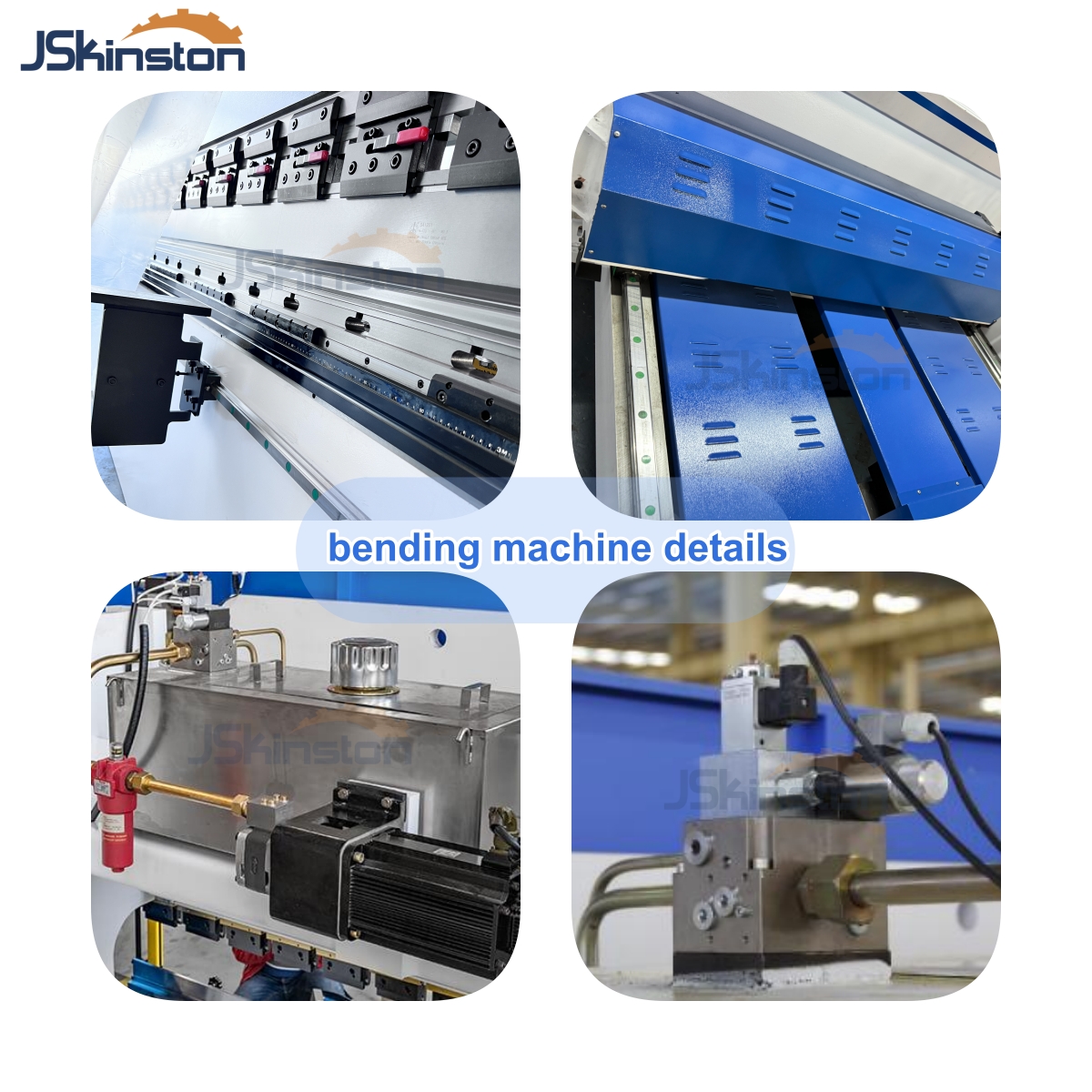
Second, inspect the hydraulic system. Check whether the hydraulic oil level is within the standard range, observe if there is oil leakage at oil pipes, joints and cylinder parts. Any slight leakage should be handled in time to prevent oil shortage causing insufficient bending pressure.
Third, check electrical parts and control system. Confirm the power line, control button, emergency stop switch and foot switch work normally; keep the electric box dry and dustproof to avoid short circuit and circuit failure.
Finally, test idle operation for several minutes every day, listen to whether the machine has abnormal noise, vibration and jitter, and ensure the sliding block runs smoothly without stuck phenomenon.
Weekly Press Brake Maintenance
On a weekly basis, carry out deeper inspection and lubrication maintenance.
Lubricate all guide rails, sliding parts, transmission shafts and screw rods with professional lubricating oil, ensure flexible movement, reduce friction wear and prevent parts from rusting.
Check the parallelism of upper and lower molds, check whether the mold has wear, deformation and gap deviation. Polish slightly worn molds timely, replace severely damaged molds to guarantee neat bending workpiece edges without burrs and deformation.
Inspect the backgauge system, check the positioning accuracy and running smoothness, clean the backgauge guide rail dust, calibrate the positioning data if there is position deviation.
Dust and clean the cooling system and hydraulic radiator to ensure good heat dissipation effect and avoid high oil temperature affecting machine performance.
Monthly & Quarterly Maintenance
Monthly maintenance focuses on systematic inspection and calibration. Detect hydraulic oil quality, if the oil becomes turbid, deteriorated or mixed with impurities, replace hydraulic oil and clean the oil tank thoroughly.
Check the tightness of all connecting bolts, anchor bolts and fuselage fasteners, tighten loose parts to prevent long-term vibration causing structural deformation.
Calibrate the bending accuracy and angle precision of the press brake, adjust the hydraulic pressure and system parameters according to processing requirements, ensure consistent finished workpiece size.
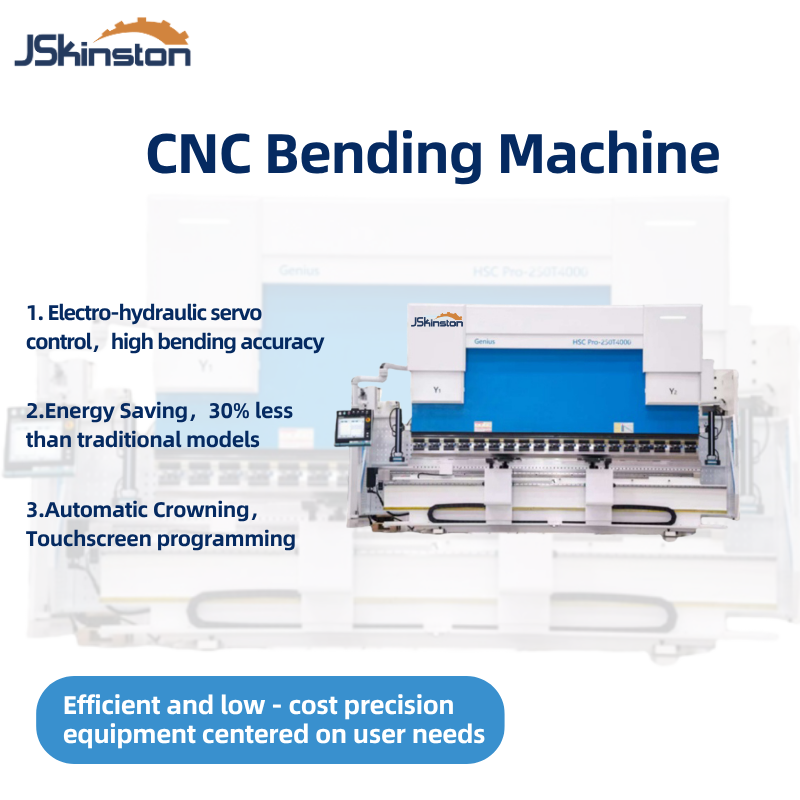
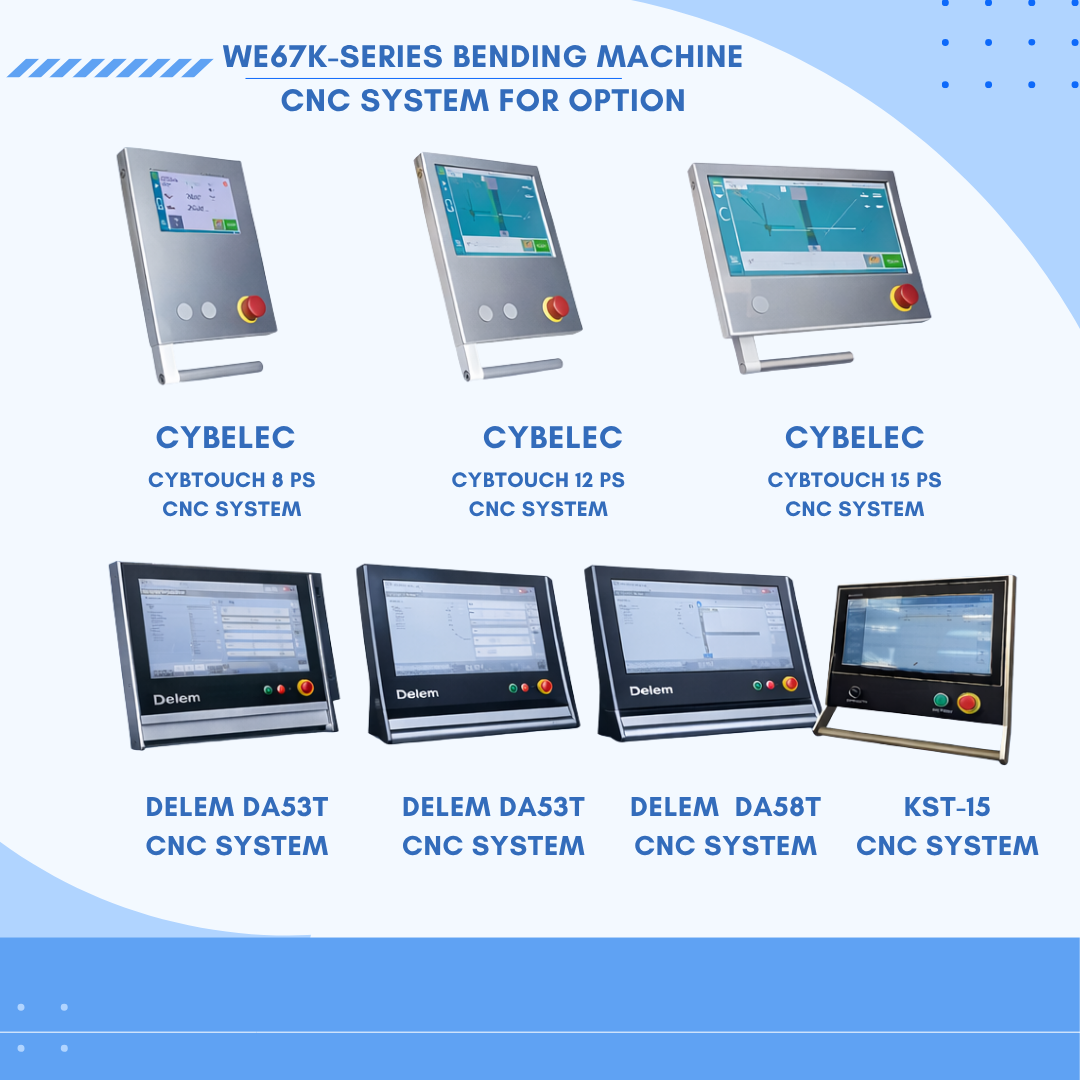
Quarterly maintenance needs to inspect the wear degree of sealing rings, oil seals and vulnerable parts inside the hydraulic cylinder, replace aging and failed seals in advance to avoid sudden breakdown during production. Check servo motor, servo drive and CNC system operation status, back up system data regularly.
Long-Term Idle Maintenance
If the press brake is idle for a long time, targeted maintenance is also required. Clean the whole machine thoroughly, apply anti-rust oil on mold, worktable and metal exposed parts, cover the equipment with dustproof cloth. Cut off the total power supply, drain part of the excess hydraulic oil properly, and inspect regularly every half month to prevent moisture and rust inside the machine.
Common Maintenance Notes
Do not overload bending for a long time, avoid processing ultra-thick plate beyond machine tonnage, which will damage fuselage and hydraulic system. Do not randomly adjust hydraulic pressure and system parameters without professional guidance, prevent parameter disorder causing precision failure. Operators must follow standard operation procedures, avoid violent operation and random collision. Arrange special person responsible for daily maintenance records, form standardized maintenance files, convenient for later inspection and timely parts replacement.
Conclusion
Scientific later maintenance is the best way to protect a press brake. Standard daily cleaning, weekly lubrication, monthly calibration and regular vulnerable parts replacement can keep the machine high precision, high efficiency and low failure rate for a long time. Good maintenance habit not only extends equipment service life, but also saves production cost and improves overall processing efficiency for sheet metal factories.