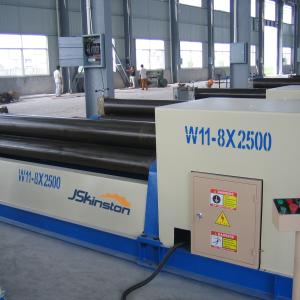
Summer Maintenance Guide for Shearing Machines
I. Hydraulic System Summer Maintenance
1.1 Hydraulic Oil Temperature Control
In summer, hydraulic oil temperature can easily exceed the normal operating range of 55°C (131°F) , leading to oil oxidation, accelerated seal aging, and increased system leakage. Install a temperature sensor on the hydraulic tank to trigger an automatic alarm and machine shutdown when oil temperature exceeds 60°C (140°F). Check oil level and temperature before each daily shift to ensure oil cleanliness, and replace with summer-grade hydraulic oil (recommended viscosity grade VG46) if necessary.
1.2 Cooling System Cleaning and Optimization
Hydraulic oil cooler surfaces are prone to accumulating lint, dust, and oil residue, significantly reducing cooling efficiency. Use compressed air to blow through the cooler fins from the inside out weekly to remove blockages. For air-cooled systems, check fan operation and airflow; for water-cooled systems, verify cooling water circulation and replenishment.
1.3 Seal Inspection and Replacement
High temperatures accelerate rubber seal hardening and aging, causing leaks at hydraulic cylinders and pipe joints. Inspect seals at all hydraulic components monthly and replace immediately if leaks are found. Keep commonly used seal sizes in stock to minimize downtime waiting for replacement parts.
1.4 Hydraulic Pump and Valve Group Maintenance
High temperatures increase pump suction resistance, making cavitation noise more likely. Check the suction filter for blockage and keep the oil circuit clear. Remove oil sludge and dust from valve group surfaces to ensure proper solenoid valve heat dissipation.
II. Electrical System Moisture Protection and Heat Dissipation
2.1 Control Cabinet Temperature Management
Control cabinet interior temperatures can exceed 60°C (140°F) in summer, accelerating aging of contactors, relays, PLCs, and other components. Ensure cooling fans in the control cabinet are operating properly and cabinet door seals are intact. In extremely hot workshops, consider installing air conditioning or industrial coolers to maintain internal temperatures below 35°C (95°F).
2.2 Moisture and Condensation Prevention
Summer humidity can cause condensation inside control cabinets, leading to short circuits, leakage, and electrical failures. Place desiccants or install dehumidifying heaters inside the control cabinet to keep the interior dry. Check for water droplets inside the cabinet before starting each shift and wipe dry immediately.
2.3 Motor and Terminal Inspection
Motor winding insulation performance degrades in high temperatures, increasing overload risk. Check motor fan covers for blockage to ensure proper ventilation and cooling. Tighten all terminal connections to prevent poor contact and overheating caused by thermal expansion and contraction.
III. Mechanical Drive and Lubrication System
3.1 Guideway and Leadscrew Lubrication
Summer heat causes grease to thin and run off, leaving guideways, leadscrews, and other friction pairs under-lubricated. Shorten lubrication intervals—from weekly to every 3 days. Use high-drop-point grease (drop point ≥ 180°C/356°F) to prevent flowing at high temperatures.
3.2 Drive Belt Inspection
Heat accelerates belt aging and cracking, reducing transmission efficiency. Check belt tension and surface condition monthly; replace immediately if cracks or excessive elongation are found. Keep spare belts in stock to avoid extended downtime from sudden breakage.
3.3 Clutch and Brake Systems
Electromagnetic clutches and brakes may experience changes in friction torque in high temperatures, affecting cutting accuracy and safety. Regularly check clutch plate wear and adjust air gaps to standard ranges. Clean oil and dust from friction surfaces to ensure stable torque transmission.
IV. Blade System Summer Maintenance
4.1 Blade Gap Adjustment
Summer heat causes the blade holder to expand thermally, reducing the gap between upper and lower blades, which can increase cutting force and cause blade chipping. Re-check and adjust blade gaps after the machine reaches thermal equilibrium (1-2 hours after startup). Recommended gap range: 5%-7% of material thickness.
4.2 Blade Cooling and Lubrication
Friction between the blade and sheet metal generates significant heat during cutting. High temperatures reduce blade hardness and accelerate wear. Use appropriate cutting oil or extreme-pressure emulsion to fully cool and lubricate the blade edge. For difficult-to-cut materials like stainless steel, consider using mist cooling lubrication.
4.3 Blade Edge Inspection
Inspect blade edges for chipping or dulling before each shift. Address minor chips immediately by regrinding before they worsen. Schedule blade regrinding or replacement every 5,000-10,000 cuts, or immediately when burrs become noticeable.
V. Cooling and Auxiliary Systems
5.1 Cutting Fluid Management
High summer temperatures accelerate cutting fluid spoilage, causing bad odors and bacterial growth. Check cutting fluid concentration and pH weekly; add bactericides or replace fluid as needed. Keep the fluid tank clean by regularly removing settled sludge and chips.
5.2 Coolant Nozzle Adjustment
Ensure coolant sprays precisely onto the cutting zone for effective cooling, lubrication, and chip removal. Check nozzles for blockage and adjust spray angle and flow rate.
5.3 Compressed Air System
Summer air humidity increases moisture content in compressed air, which can cause pneumatic component rusting and malfunction. Drain condensate from air tanks and filter bowls daily. Consider installing a refrigerated air dryer to maintain dew point between 2-5°C (36-41°F).
Conclusion
Summer heat places extra stress on hydraulic systems, electrical components, and mechanical parts of shearing machines. By implementing a structured summer maintenance plan—including daily inspections, weekly cleaning, and regular monitoring—you can reduce failure rates by over 30%. Prevent problems before they occur to keep your shearing machine running stably and efficiently through the hot summer months.
Related News